


The ‘risks’ with Swine Flu
By John Silveira
Issue #118 • July/August, 2009
Do we have anything to worry about the reemergence of Swine Flu Novel Influenza A (H1N1) this fall? The short answer is: Probably not. There are...

Science and truth. Are they related?
By John Silveira
Issue #46 • July/August, 1997
It was an argument about science. Dave and I were on one side, Dave's friends Tom and Bill, though curiously nonallied, were on the other. I say nonallied...
The MTHFR mutation and why it may matter to you
By John Silveira
Issue #170 • March/April, 2018
This is an article with both anecdotal evidence and science. It is about me, anxiety and depression, a gene mutation, and a 17-cent-a-day “treatment” that works (for me).
All...
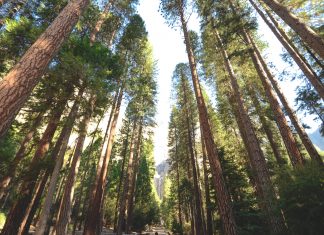
Gee-Whiz: Trees
By O. E. Macdougal
September/October 2015, Backwoods Home
We’re told they include some of the oldest and largest living organisms on the planet. But do they? The fact is, only about one percent of a...

A brief history of health and medicine
By John Silveira
Issue #100 • July/August, 2006
As little as a century ago, the average life span in the United States was 49 years. Today it is 77. Fifty years ago, the average life span...
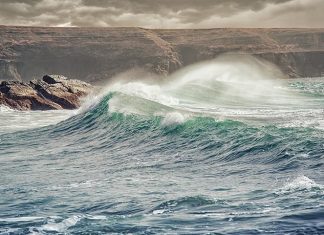
Subduction zone tsunami — What the residents of the Pacific Northwest have to fear
<!--
Subduction zone tsunami
-->
By John Silveira
Issue #94 • July/August, 2004
I was sitting in my cubicle poring over a map of the Oregon coastactually, just that part of the coast that is Gold Beach where Backwoods...

The coming ice age
By John Silveira
Issue #139 • January/February, 2013
I'm putting my apocalyptic ice age novel, Danielle Kidnapped, on Amazon's Kindle and also producing a paperback version on Amazon's website. (See the ad on page 65.) The...
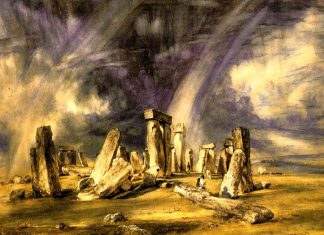
Gee-Whiz: Time
By O.E. MacDougal
July/August 2016, Backwoods Home
Time. We can’t see, feel, hear, smell, or taste it, but we can measure it and we break it up into smaller and smaller increments. We’ll probably never know...

The threat of electromagnetic pulse!
By John Silveira
Issue #132 • November/December, 2011
I like "doomsday" scenarios even ridiculous ones, such as the supposed Mayan calendar prophecy for 2012 or what had been Y2K doom-and-gloom leading up to the year...
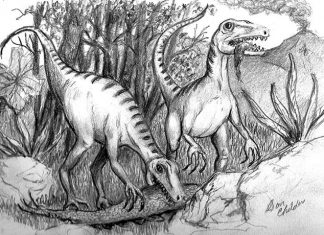
Can we make a Tyrannosaurus rex from a chicken?
By John Silveira
Issue #169 • January/February, 2018
Do you have chickens, ducks, turkeys, or geese in your yard? They’re not “just birds” because scientists now realize birds are dinosaurs. Real dinosaurs! For 150 million years,...

The many benefits of garlic
By Joe Knight
Issue #113 • September/October, 2008
Garlic, used throughout the world for the taste it adds to foods, is also well known for its medicinal benefits. Known as Allium sativum in the botanical world,...
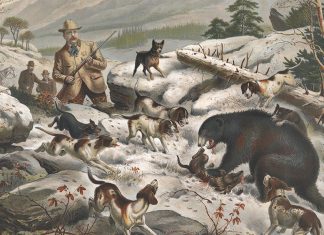
Gee-Whiz: Presidents
By O.E. MacDougal
November/December 2016, Backwoods Home
I could spend all day coming up with interesting trivia about the Presidents and those who surround them — wives, children, assassins, etc. I could literally fill this magazine...
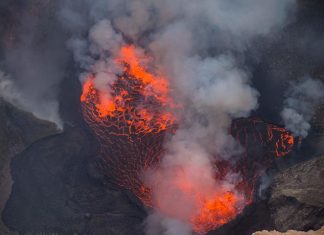
The world is ending! … Again?
By John Silveira
Issue #85 • January/February, 2004
People love to talk about scary stuff. Especially when it's end-of-the-world scary, such as the big asteroid recently in the news that was supposed to hit Earth and...

Gee-Whiz: Alcohol
By O.E. MacDougal
Backwoods Home
Did early man first cultivate grains just to get drunk?
The brewing of beer is older than civilization and goes back at least 9,000, and perhaps more than 12,000, years. Evidence of...
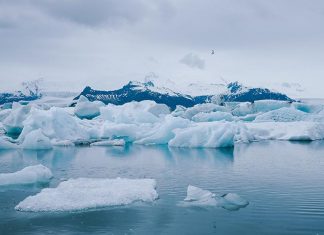
The coming ice age
By John Silveira
Issue #86 • March/April, 2004
As little as 30 years ago the talk wasn't about global warming, it was about an imminent ice age. Is an ice age likely? Even possible? Consider this:...
Gee-Whiz: Sleep
By O.E. MacDougal
November/December 2017, Backwoods Home
For thousands of years, sleep has been one of life’s great mysteries. As humans, we spend about one-third of our lives sleeping, though as babies we spent about 16...