
Page Not Found
Sorry! The page you were looking for is no longer available or the link has expired. If you were looking for a specific product, you can search our store.
While you’re here, take a look through some of our great articles!
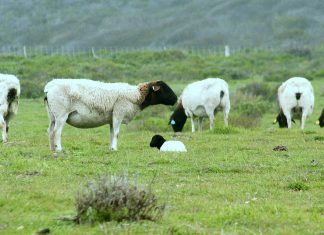
Dorper sheep — Revolutionizing the meat sheep industry
By Darlene Polachic
Issue #75 • May/June, 2002
If Henry Soderberg's predictions are right, Dorper sheep could revolutionize the meat sheep industry. A South African breed...



Fruit Trees
<!--
Fruit trees
By Alice B. Yeager
Photos by James O. Yeager
-->By Alice B. Yeager
Fall winds down with the ripening of a Japanese
persimmon known as the Fuyugaki...
Flowers Brighten the Garden
By Alice B. Yeager
Photos by James O. Yeager
Website Exclusive • March, 2006
Along with raising food plants, I like to tuck in a few flowers...
Victory Gardens
By Alice B. Yeager
Issue #54 • November/December, 1998
There have been very few times in our nation's history when "We, the people" have banded together...
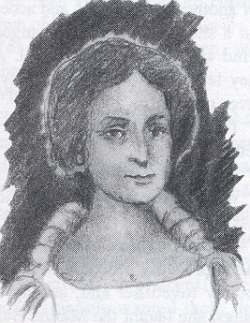
By John Silveira
Issue #30 • November/December, 1994
(This is a four-part series. Click the links to navigate to parts one, two, three, and four.)
(When we left off last issue, O. E. MacDougal and John Silveira were travelling from Ojai, California, to Ashland, Oregon. Mac was talking about the First Ladies...

Action of Second Continental Congress, July 4, 1776
When in the Course of human Events, it becomes necessary for one People to dissolve the Political Bands which have connected them with another, and to assume among the Powers of the Earth, the separate and equal Station to which the Laws...
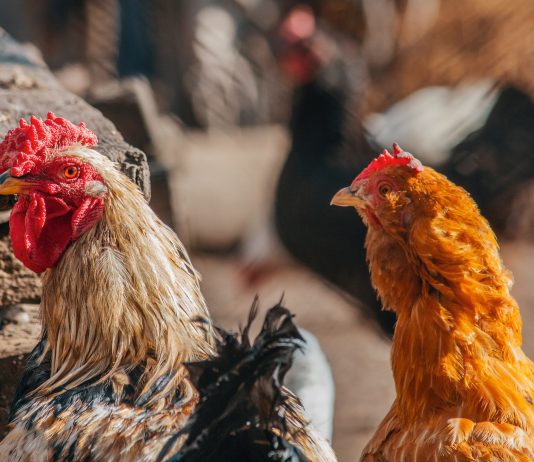
By Michelle Hampton
Issue #106 • July/August, 2007
Each year during our local county fair, one of the best-attended events happens when farm animals, donated by local ranchers, are let loose in the big rodeo arena. Kids that sign up for the event scramble around running madly ofter the throng of...