
Page Not Found
Sorry! The page you were looking for is no longer available or the link has expired. If you were looking for a specific product, you can search our store.
While you’re here, take a look through some of our great articles!
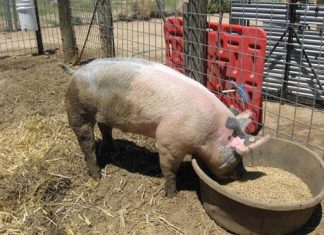
Is that a good pig?
By Kim Dieter
Issue #129 • May/June, 2011
Lean ham, roasts, chops, savory sausage, and thick slices of bacon are the reason pigs are raised at...





Cheaper than Store-Bought Eggs
By Kristina Seleshanko
Issue #177 • July/August/September, 2019
Something we heard a lot when we first started raising chickens in the suburbs was, “For the cost...
Pruning Blueberries
By Kristina Seleshanko
When we purchased our mountaintop homestead, I was excited to discover four blueberry bushes that were already established on our property. Not...
Raised Bed Gardening — Neat and Productive
By Alice B. Yeager
Issue #74 • March/April, 2002
Are you tired of raising a big row crop gardenone that keeps you busy from dawn until...
By Tom Kovach
Issue #65 • September/October, 2000
Having the best vegetable garden in the village might put food on the table and make some money at the market, but it also can cause some problems. Or so it was with my grandfather, the mayor of a small village in Hungary,...

By John Silveira
Issue #49 • January/February, 1998
It was one of those days I love. We were between deadlines and Dave, Bill, Mac, and I had gone fishing on the lake. Dave, of course, is Dave Duffy, the publisher of Backwoods Home Magazine; Bill is Dave's friend who drops in...
By John Graesch
Issue #64 • July/August, 2000
Sixty five years ago I was living in that part of Seattle, Washington, known as South Park. Few places had as much natural beauty as "The Park" as we knew it. Beautiful lawns and tall shady trees, fruit trees that grew out over...