
Page Not Found
Sorry! The page you were looking for is no longer available or the link has expired. If you were looking for a specific product, you can search our store.
While you’re here, take a look through some of our great articles!
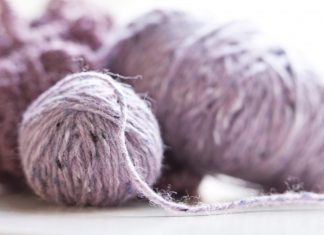
Shearing, carding, spinning, weaving and creating with Margaret Boos
By Annie Duffy
Issue #52 • July/August, 1998
"If you're going to make something that you want to last, why not start with good quality material,"...



Growing Strawberries
By Patrice Lewis
Issue #162 • November/December, 2016
As you read this, the wind may well be howling and the snow piling deep, and you're likely...
Want More Fruit From Less Space? Espalier Your Trees!
By Rev. J.D. Hooker
Issue #79 • January/February, 2003
After originating in the semi-arid regions of the middle east, espaliering (is-'pal-yer-ing) became a commonly employed fruit...
Gardening the Year ‘Round
By Alice B. Yeager
Website Exclusive • September, 2006
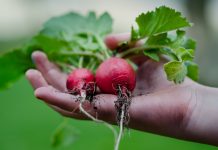
Normally, we gardeners tend to make plans to begin planting our gardens during early spring. We select...

By John Silveira
Issue #49 • January/February, 1998
It was one of those days I love. We were between deadlines and Dave, Bill, Mac, and I had gone fishing on the lake. Dave, of course, is Dave Duffy, the publisher of Backwoods Home Magazine; Bill is Dave's friend who drops in...

By Roger Meyer
Issue #130 • July/August, 2011
Since September 11, 2001, more Americans are displaying the national flag. Our flag gives us a sense of unity and purpose as a nation. Old Glory represents our national heritage and it's a symbol of our accomplishments and sacrifices.
Not everyone knows the proper...

By John Silveira
Issue #29 • September/October, 1994
(This is a four-part series. Click the links to navigate to parts one, two, three, and four.)
It was the best of times, it was the worst of times...wait a minute, it was the worst of times. I was getting ready to head for...