
Page Not Found
Sorry! The page you were looking for is no longer available or the link has expired. If you were looking for a specific product, you can search our store.
While you’re here, take a look through some of our great articles!
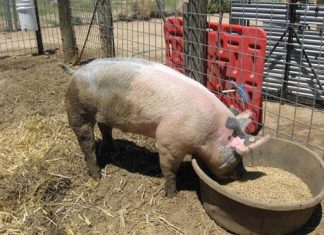
Is that a good pig?
By Kim Dieter
Issue #129 • May/June, 2011
Lean ham, roasts, chops, savory sausage, and thick slices of bacon are the reason pigs are raised at...






The $1 Garden
By Jonathan Nunan
Issue #122 • March/April, 2010
The dollar garden is simple in concept: buy as many seeds as you can for one dollar and...
Green or Yellow: Grow Your Best Bush Beans Ever
By Lisa LaFreniere
Issue #62 • March/April, 2000
Bush Beans, or snap beans as they're sometimes referred to, are a growing favorite among many gardeners, and...
Testing Soil
By Tom Kovach
Issue #119 • September/October, 2009
Testing the soil content of a garden is very important and is quite easy to do. Soil tests...
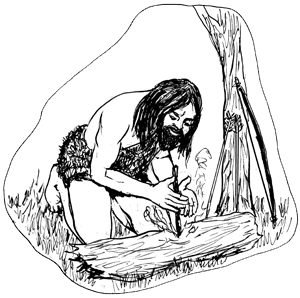
By O. E. MacDougal
Issue #154 • July/August, 2015
There was a time when it was thought that a defining difference between humans and animals was: we use tools, they don't. But, in the last few decades, it's been discovered that many animals are tool users.
Before we go further, let's define...

By John Silveira
Issue #34 • July/August, 1995
(This is a four-part series. Click the links to navigate to parts one, two, three, and four.)
Do I have to stay and help you?" my 12-year old son asked.
I stood by the edge of the bathtub staring at the exposed plumbing. I could...
By John Silveira
Issue #31 • January/February, 1995
"What were you listening to when I got to your house? Sounded nice. I don't think I've ever heard it before."
O.E. MacDougal looked at me from across the table. He's the poker playing friend of Dave Duffy, the fellow who publishes this magazine....