
Page Not Found
Sorry! The page you were looking for is no longer available or the link has expired. If you were looking for a specific product, you can search our store.
While you’re here, take a look through some of our great articles!
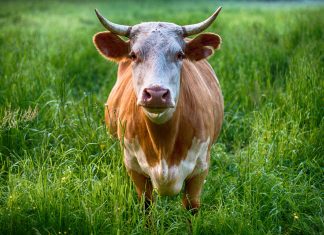
Raising your own beef
By Jackie Clay-Atkinson
Issue #175 • January/February/March, 2019
Every time I sit down to enjoy a wonderful beef roast or perfectly grilled steak, I am so...




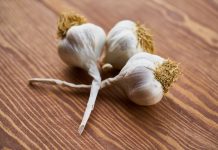
Grow Garlic and Reap Health Benefits
By Alice B. Yeager
Photos by James O. Yeager
Issue #98 • March/April, 2006
Garlic is one of our oldest herbs on record. Anyone can grow garlic...

Victory Gardens
By Alice B. Yeager
Issue #54 • November/December, 1998
There have been very few times in our nation's history when "We, the people" have banded together...
Plant Once Harvest for Years
By Jackie Clay-Atkinson
Issue #140 • March/April, 2013
Year after year we start seeds, till the ground, plant, weed, harvest, then tear it all out at...
By John Graesch
Issue #64 • July/August, 2000
Sixty five years ago I was living in that part of Seattle, Washington, known as South Park. Few places had as much natural beauty as "The Park" as we knew it. Beautiful lawns and tall shady trees, fruit trees that grew out over...
By John Silveira
Issue #125 • September/October, 2010
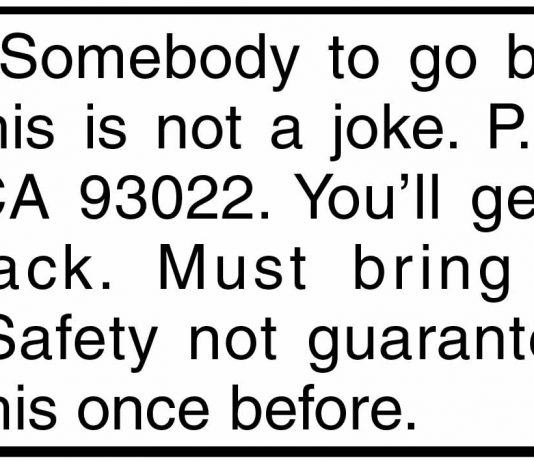
It's become a minor Internet phenomenon. The ad reads:
It's also been read by Jay Leno on his late night TV show, on National Public Radio more than once (including Car Talk), on craigslist.org (sans the P.O. box), it's been printed on T-shirts, discussed...

By Martin Waterman
Issue #37 • January/February, 1996
I can remember taking a trip as a child and seeing my first Burma Shave signs. Technically speaking, after 1963 all the 7,000 or so sets of signs were supposed to have been taken down. Still, my discovery may not have been unusual,...