
Page Not Found
Sorry! The page you were looking for is no longer available or the link has expired. If you were looking for a specific product, you can search our store.
While you’re here, take a look through some of our great articles!
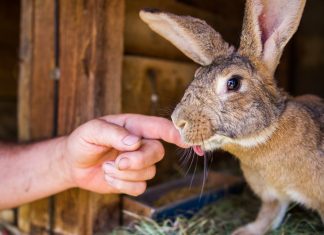
Raising Rabbits
By Linda Gabris
Issue #133 • January/February, 2012
If you take pride and pleasure in growing your own organic garden foods and raising your own chemical-free...






Gardening in the Desert Using Only Rainwater
By Joe Mooney
Issue #147 • May/June, 2014
I've always found the use of seasonal rains by native peoples very fascinating. From the diversion of floodwaters...
For Extra Production, Try Mound Gardening
By Edward Love Johnson
Issue #44 • March/April, 1997
I began experimenting with mound gardening several years ago, due to limited garden space. Then as time...
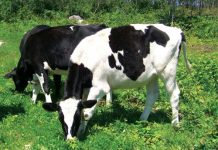
Meat For the Homestead
By Jackie Clay-Atkinson
Issue #137 • September/October, 2012
Meat is often the most expensive portion of our grocery bill, and it is getting more and more...
By Marjorie Burris
Issue #57 • May/June, 1999
My grandmother, Mary Etta Dillman Graham, was one of those frontier women who took life as it came; extremely practical, resourceful and inventive, she was always, always ready to help other women. True to her time and her own modest nature, she never...

By Roger Meyer
Issue #130 • July/August, 2011
Since September 11, 2001, more Americans are displaying the national flag. Our flag gives us a sense of unity and purpose as a nation. Old Glory represents our national heritage and it's a symbol of our accomplishments and sacrifices.
Not everyone knows the proper...

By John Silveira
Issue #81 • May/June, 2003
The weather here on the coast of Oregon is nice almost all year-round, and there almost always seems to be some kind of fishingsalmon or winter steelhead running on the Rogue, or rock cod, ling cod, halibut, cabezon, and more out in the...