
Page Not Found
Sorry! The page you were looking for is no longer available or the link has expired. If you were looking for a specific product, you can search our store.
While you’re here, take a look through some of our great articles!
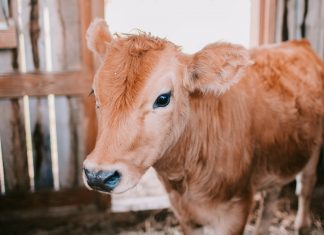
Raising cattle on your own place
By Charles Sanders
Issue #85 • January/February, 2004
Winter won't last forever. It won't be long before spring will arrive and pastures will start to green...



Three Raised Bed Designs
By Joe Mooney
Issue #150 • November/December, 2014
When it comes to gardening, almost anything can be used to create a raised bed. Tires, blocks, rocks,...
Home-Grown Eggs
By Allen Easterly
Issue #165 • May/June, 2017
Maybe you’ve thought about keeping a few chickens for their eggs but didn’t want to be awakened at...
Rotten Luck: The Skinny on Composting
By Patrice Lewis
Issue #141 • May/June, 2013
For much of human history, people have tried to prevent things from rotting. Literally every food preservation method...

We the People of the United States, in Order to form a more perfect Union, establish Justice, insure domestic Tranquility, provide for the common defence, promote the general Welfare, and secure the Blessings of Liberty to ourselves and our Posterity, do ordain and establish this Constitution for the United...

Action of Second Continental Congress, July 4, 1776
When in the Course of human Events, it becomes necessary for one People to dissolve the Political Bands which have connected them with another, and to assume among the Powers of the Earth, the separate and equal Station to which the Laws...

By Tom Kovach
Issue #79 • January/February, 2003
A person recently wrote to a large Midwest newspapers' advice column asking for information about outdoor privies. It seems that this person's family inherited a log cabin from out of the 1930s and it came with no indoor plumbing. Instead there was an...