
Page Not Found
Sorry! The page you were looking for is no longer available or the link has expired. If you were looking for a specific product, you can search our store.
While you’re here, take a look through some of our great articles!
Finding the best dog for the country life
By Anita Evangelista
Issue #63 • May/June, 2000
When you're looking for a dog to fit into your country life, there are few other topics as...







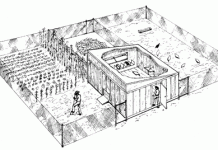
Save Time and Energy with the Fenced Chicken Coop/Garden
By John Silveira
Issue #44 • March/April, 1997
My engineer father was not fond of wasting time or energy. He was always searching for a better,...
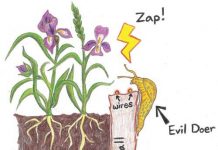
Slug Zapper
By Joel Winters
Issue #142 • July/August, 2013
I live in a small clearing in a big forest. This is on the rainy side of the...
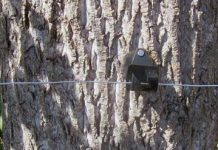
Solar-Powered Electric Fencing
By Jeffrey Yago, P.E., CEM
Issue #147 • May/June, 2014
A new electric fence attached to older traditional wood fencing
More and more people are turning to...

Habeeb Salloum, 95, a poet, world traveler, linguist, and author of recipe books on Middle Eastern cuisine, has written recipe articles for Backwoods Home Magazine for 19 years. The son of Syrian immigrant farmers, he lives in a small town near Toronto, Canada.
By Habeeb Salloum
Website Exclusive • August, 2019
In...
By John Silveira
Issue #31 • January/February, 1995
"What were you listening to when I got to your house? Sounded nice. I don't think I've ever heard it before."
O.E. MacDougal looked at me from across the table. He's the poker playing friend of Dave Duffy, the fellow who publishes this magazine....
By Tom Kovach
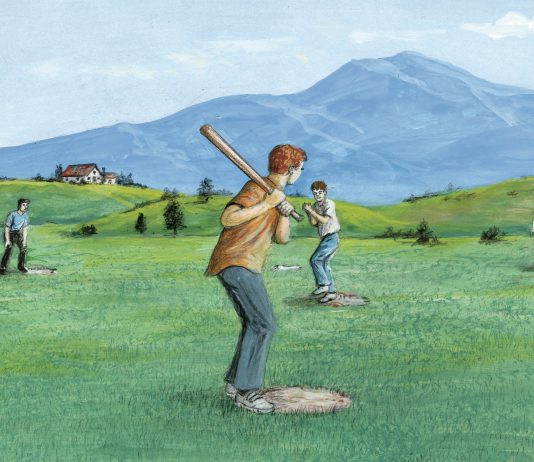
Growing up on a farm in north-central Minnesota wasn’t all chores and hard work … although there was plenty of that too. But back in the l950s and early l960s when I was growing up there were a number of small farms like ours within a mile...