
Page Not Found
Sorry! The page you were looking for is no longer available or the link has expired. If you were looking for a specific product, you can search our store.
While you’re here, take a look through some of our great articles!
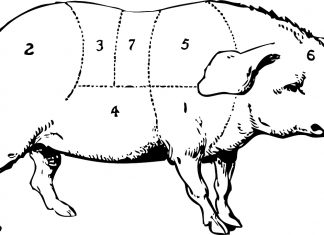
Slaughtering and Butchering
By Dynah Geissal
Issue #23 • September/October, 1993
Fall is butchering time, a period of joy in the harvest of the year's work and of sadness...



Companion Planting
By Beverly Mettot
Issue #81 • May/June, 2003
Companion planting is nothing new, and yet in recent years it has made an extraordinary comeback, not only...
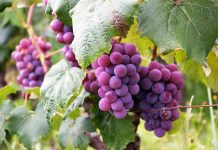
Propagating Grapes
By Sylvia Gist
Issue #107 • September/October, 2007
As a kid in western South Dakota, I enjoyed picking wild grapes and using the delightful juice they...
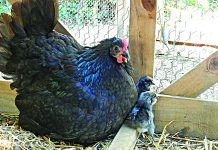
Cheaper than Store-Bought Eggs
By Kristina Seleshanko
Issue #177 • July/August/September, 2019
Something we heard a lot when we first started raising chickens in the suburbs was, “For the cost...

By John Silveira
Issue #81 • May/June, 2003
The weather here on the coast of Oregon is nice almost all year-round, and there almost always seems to be some kind of fishingsalmon or winter steelhead running on the Rogue, or rock cod, ling cod, halibut, cabezon, and more out in the...

By Roger Meyer
Issue #130 • July/August, 2011
Since September 11, 2001, more Americans are displaying the national flag. Our flag gives us a sense of unity and purpose as a nation. Old Glory represents our national heritage and it's a symbol of our accomplishments and sacrifices.
Not everyone knows the proper...

By Martin Waterman
Issue #37 • January/February, 1996
I can remember taking a trip as a child and seeing my first Burma Shave signs. Technically speaking, after 1963 all the 7,000 or so sets of signs were supposed to have been taken down. Still, my discovery may not have been unusual,...