
Page Not Found
Sorry! The page you were looking for is no longer available or the link has expired. If you were looking for a specific product, you can search our store.
While you’re here, take a look through some of our great articles!
Finding, buying, milking, and living with the family milk cow
By Jayn Steidl Thibodeau
Issue #36 • November/December, 1995
Have you ever had this happen to you? You've opened the refrigerator door for a cold, refreshing...






Rotten Luck: The Skinny on Composting
By Patrice Lewis
Issue #141 • May/June, 2013
For much of human history, people have tried to prevent things from rotting. Literally every food preservation method...
Put Your Garden to Bed for the Winter
By Jackie Clay
Issue #95 • September/October, 2005
During the crispy fall afternoons, we listen often and intently to the weather forecasts. "It's going to be...
Garden Spaces for Small Places
By Dorothy Ainsworth
Issue #116 • March/April, 2009
When the world wearies and society ceases to satisfy, there is always the garden.
Minnie Aumonier
Yes, and if...
By John Silveira
Issue #125 • September/October, 2010
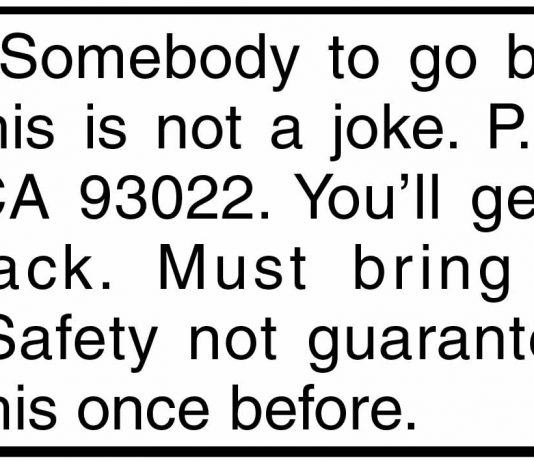
It's become a minor Internet phenomenon. The ad reads:
It's also been read by Jay Leno on his late night TV show, on National Public Radio more than once (including Car Talk), on craigslist.org (sans the P.O. box), it's been printed on T-shirts, discussed...

Action of Second Continental Congress, July 4, 1776
When in the Course of human Events, it becomes necessary for one People to dissolve the Political Bands which have connected them with another, and to assume among the Powers of the Earth, the separate and equal Station to which the Laws...

By John Silveira
Issue #81 • May/June, 2003
The weather here on the coast of Oregon is nice almost all year-round, and there almost always seems to be some kind of fishingsalmon or winter steelhead running on the Rogue, or rock cod, ling cod, halibut, cabezon, and more out in the...