
Page Not Found
Sorry! The page you were looking for is no longer available or the link has expired. If you were looking for a specific product, you can search our store.
While you’re here, take a look through some of our great articles!
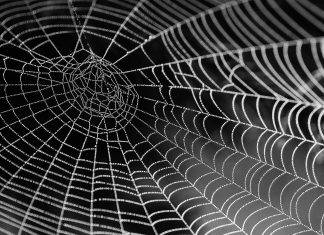
Get to know your spiders
By Jerry Hourigan
Issue #109 • January/February, 2008
Every landowner and homeowner creates the perfect environment for spiders. Not intentionally, of course, but spiders seem to...



No Worrying About Fire Blight with Orient and Kieffer Pears
By Alice B. Yeager
Issue #52 • July/August, 1998
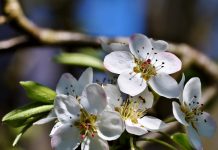
Everyone likes a good success story, and if I were called upon to name the most successful...
Testing Soil
By Tom Kovach
Issue #119 • September/October, 2009
Testing the soil content of a garden is very important and is quite easy to do. Soil tests...
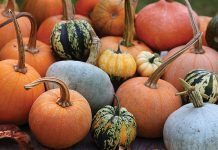
Grow some winter squash this year
By Lisa Nourse
I love summertime — I love the green of the trees, the warm weather, and growing my own food. I especially love...
By John Silveira
Issue #60a • November/December, 1999
"The election's next year, right?" I asked.
Dave Duffy, the publisher of Backwoods Home Magazine, was editing a rather lengthy article on water. I don't know if he didn't hear me or just didn't realize I was talking to him. He didn't say anything,...
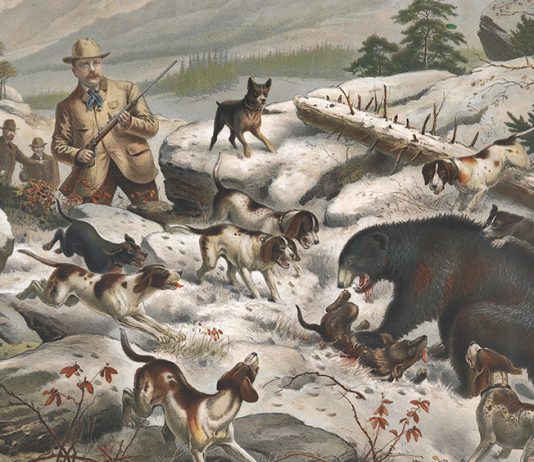
By O.E. MacDougal
November/December 2016, Backwoods Home
I could spend all day coming up with interesting trivia about the Presidents and those who surround them — wives, children, assassins, etc. I could literally fill this magazine with those facts.
The Tallest and Shortest
Let’s start with some common ones. Most school children can...

We the People of the United States, in Order to form a more perfect Union, establish Justice, insure domestic Tranquility, provide for the common defence, promote the general Welfare, and secure the Blessings of Liberty to ourselves and our Posterity, do ordain and establish this Constitution for the United...