
Page Not Found
Sorry! The page you were looking for is no longer available or the link has expired. If you were looking for a specific product, you can search our store.
While you’re here, take a look through some of our great articles!
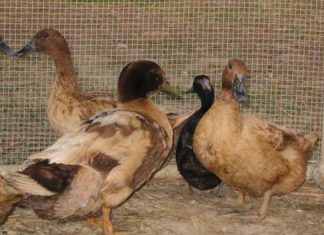
Khaki Campbell ducks — The other egg layer
By Amanda J. Kemp
Issue #126 • November/December, 2010
Spring brings the pitter-patter of little feet in the mud, games of tag, and raucous quacks. While...






Start a Self-Sufficiency Garden Even in a Cramped Apartment
By Nancy Wolcott
Issue #61 • January/February, 2000
You are sitting there in your recliner chair in your small city apartment desperately longing for the day...

Herb Boxes from Fence Boards
By Maggie Larsen
Issue #86 • March/April, 2004
During a binge of spring cleaning, I ventured outside and began to renovate the exterior of my home,...
By Hook or Crook: A Billhook is a Handy Homestead Tool
By R.E. Rawlinson
Issue #173 • September/October, 2018
When compared to our ancestors, we are very lucky to have readily-available tools. Stores are full of anything...
By O. E. MacDougal
Issue #154 • July/August, 2015
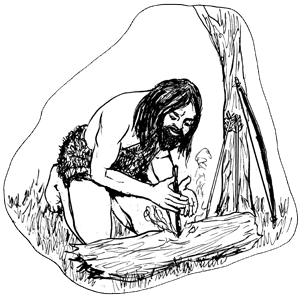
There was a time when it was thought that a defining difference between humans and animals was: we use tools, they don't. But, in the last few decades, it's been discovered that many animals are tool users.
Before we go further, let's define...

By Robert L. Williams
Issue #19 • January/February, 1993
Many years ago, before I came to my senses and left public education for good, I was teaching on a college campus when one of the administrators approached me and asked the topic of my lecture that day.
"Tom Paine and the Rights...

By John Silveira
Issue #29 • September/October, 1994
(This is a four-part series. Click the links to navigate to parts one, two, three, and four.)
It was the best of times, it was the worst of times...wait a minute, it was the worst of times. I was getting ready to head for...